
Last summer researcher, writer and artist Suchi Chatterjee visited Beyond the Bassline at the British Library as part of a Writing Our Legacy Creatives’ Network gathering trip. Suchi’s review is a Writing Our Legacy Creative Commission.
Beyond the Bassline: 500 Years of Black Music at the British Library is a landmark exhibition that traces the profound influence of Black music on British culture. It is at once a celebration of creativity and a reckoning with history, beginning with the brutal realities of the transatlantic slave trade. Enslaved Africans brought not only their bodies but also their rhythms, work songs and spirituals — traditions that became the bedrock of Britain’s musical life.
One of the earliest figures highlighted is Billy Waters, an African American busker and former Royal Navy petty officer who lost his leg in service. In the early 1800s, he entertained London crowds outside the Adelphi Theatre, his fiddle playing and tapping peg leg making him a local icon. His story underscores how Black performers carved out identities and communities long before official recognition.
The exhibition also shines a light on composer Samuel Coleridge-Taylor, whose 1898 work Hiawatha’s Wedding Feast brought him international acclaim. Navigating the prejudice of Edwardian England, he used his music to affirm his African heritage and demonstrate that Black culture belonged within — and could transform — Britain’s classical tradition.
As the exhibition narrative moves through the 20th century, it charts the soundtrack of migration and struggle. An outfit worn by jazz singer Patti Flynn speaks to the Windrush generation’s cultural impact, while Steel Pulse’s KKK-style hood starkly recalls the racism musicians faced. Genres such as reggae, ska, Lovers’ Rock, two-tone, jungle and Afroswing are shown not only as entertainment but also as political and social lifelines for Britain’s Black communities.
Grassroots venues receive equal weight. From Manchester’s Reno to Bristol’s Bamboo Club, these spaces were more than stages; they were hubs of activism, identity and resilience.
Contemporary culture is represented through pirate radio equipment, Jamal Edwards’s SB:TV camera, copies of Guap magazine and Stormzy’s signed Glastonbury setlist. Together they chart the continuing evolution of Black music and its central role in shaping modern Britain.
The exhibition concludes with an immersive installation by Tayo Rapoport and Rohan Ayinde, projecting fragmented images of speakers, dancers and crowds across the walls. It is haunting, celebratory and reflective — a reminder that Black music is both history and a living force.
Beyond the Bassline makes clear that Black music is not a side story but a central strand of Britain’s cultural DNA. It honours the resilience of those who created it and challenges audiences to recognise its role in shaping the past, present and future of this country.
About the writer
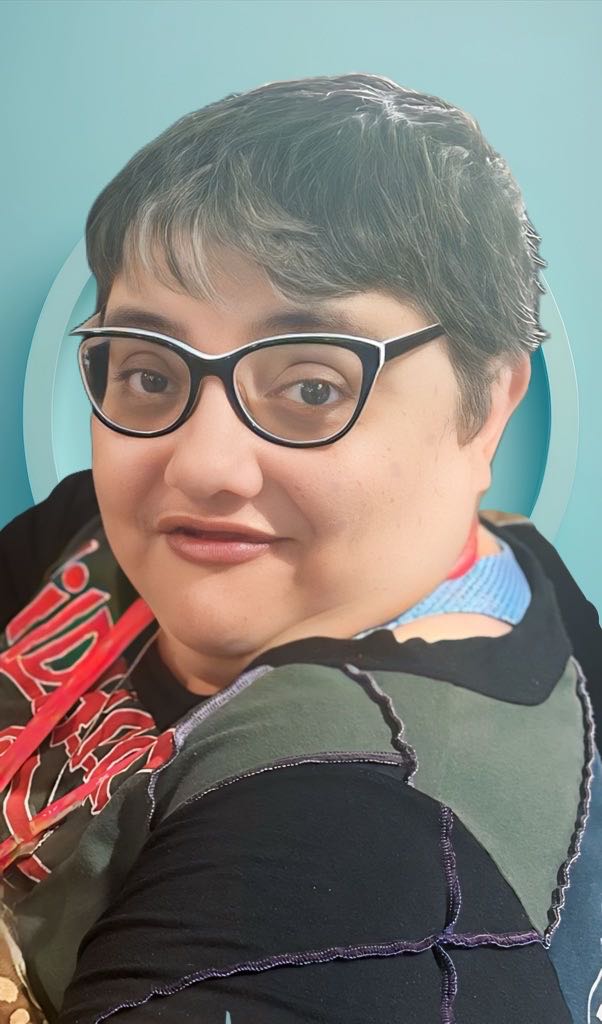 Suchitra Dorothy Chatterjee is a mixed-heritage artist, writer, curator, and researcher whose work explores race, identity, disability and hidden histories—giving voice to stories too often erased. Working across theatre, film, visual art, heritage and creative writing, she uses visceral storytelling to challenge injustice and amplify marginalised voices.
Her creative journey began in Jamaica with her first school play in 1974, later developing through Snapshots – My Story (1999), created during her Level 3 OCN Diploma in Creative Writing for People with Special Needs. Since then, her practice has consistently interrogated overlooked narratives.
Suchitra’s Sussex play writing began Let Justice Be Done (2007) about the biracial aristocrat Dido Elizabeth Belle; CUT (2016) tackling child FGM; Son of an African (2018) tracing the life of Thomas Highflyer; and Baldev’s War (2023), exploring interracial love in Brighton during WWI. Her award-winning short film Time Slip (2013), starring Dr. Sarah Gordy MBE, examined disability in Victorian England.
Her visual art has been widely exhibited in Sussex, including Windrush Presence (2019), The Shadow Pandemic (2021) and major curatorial projects at Chatham Historic Dockyard: On Shoulders of Giants (2023) and Disability Trailblazers (2024). In 2025, she was Student Curator for The Coast is Queer LGBTQ+ Literary Festival, researching queer, disabled writers of colour.
As a long-term researcher with Brighton & Hove Black History (2008–present), she has contributed to landmark local heritage projects. She is completing an MA in Curating Collections and Heritage at the University of Brighton, with a dissertation advocating for permanent disability history exhibitions in UK museums.