Nigerian fiction writer and poet Chisom Umeh writes about his appreciation for African science fiction and speculative fiction. This article is a Writing Our Legacy commission.
The first time I was exposed to the mind-expanding power of science fiction was when I read Tade Thompson’s Rosewater in 2019. Of course, I had been consuming the genre for a long time, through various media, including comic books and film. But the first time it really shifted my perspective was when I saw it expressed authentically through the lens of an African story, particularly a Nigerian one.
Rosewater is the story of a massive alien, Wormwood, landing on Earth and grounding itself in Lagos, permanently altering the biosphere around it such that some special individuals develop the abilities to communicate with it psychically. It’s a classic sci-fi first contact story, with everything explained through hardcore science. Yet, it has a certain magic to it. One that surged from the pages of the book, flowed into me and has refused to let go till this day, pouring out whenever I put fingers to keyboard.
This happened because, for all the science fiction stories I have read and watched since I was a child, nothing had shown me that it was possible to ground this art form in my own setting with main characters bearing names like Oyin Da and Kaaro. Until Rosewater came.
I had just graduated from university a year before when I discovered Tade’s book. I spent four years studying literature, but the closest thing I had come to encountering the kind of African speculative stories that would alter my mind were Amos Tutuola’s The Palmwine Drinkard and Ben Okri’s short stories, especially Incidents at the Shrine. These stories were fantastical to me, but not in the kind of elaborate sense that was radically different from anything I knew. I had grown up on old Nollywood movies where magic and spiritualism were rife. So none of that was new. Universities mostly play it safe when it comes to speculative fiction, hardly straying beyond the realms of the familiar. This still happens in many schools and Master of Fine Arts programs today.
Many stories that are not speculative are great and highly imaginative, but few can take you to worlds you’ve never seen and use that to push you into thinking differently about the one you see every day. Few stories, like the speculative, can draw a parallel between the universe you know and another strange one. Few can make you see, as Rosewater did for me, that stories that can be set elsewhere (e.g., the West/other parts of the world) can happen in your very own neighbourhood. A first contact story can happen in Mumbai, just as it can happen in New York. Scientists from DR Congo can be the first to land on Mars, and an artificially intelligent mind named Opara can become sentient.
This permission to tell your own story in your own milieu, no matter how fantastic or science-oriented, is the magic of speculative fiction. Or, perhaps more accurately, the magic of modern speculative fiction writers like Tade Thompson, who have decided to seize the genre, centre it on their societies and let the world move over.
So, while it may take some will and courage to tap into, speculative stories like science fiction present an opportunity to remake the world and shape it into whichever form you wish. Especially one where your own reality is not on the margins but adequately represented.
About the writer
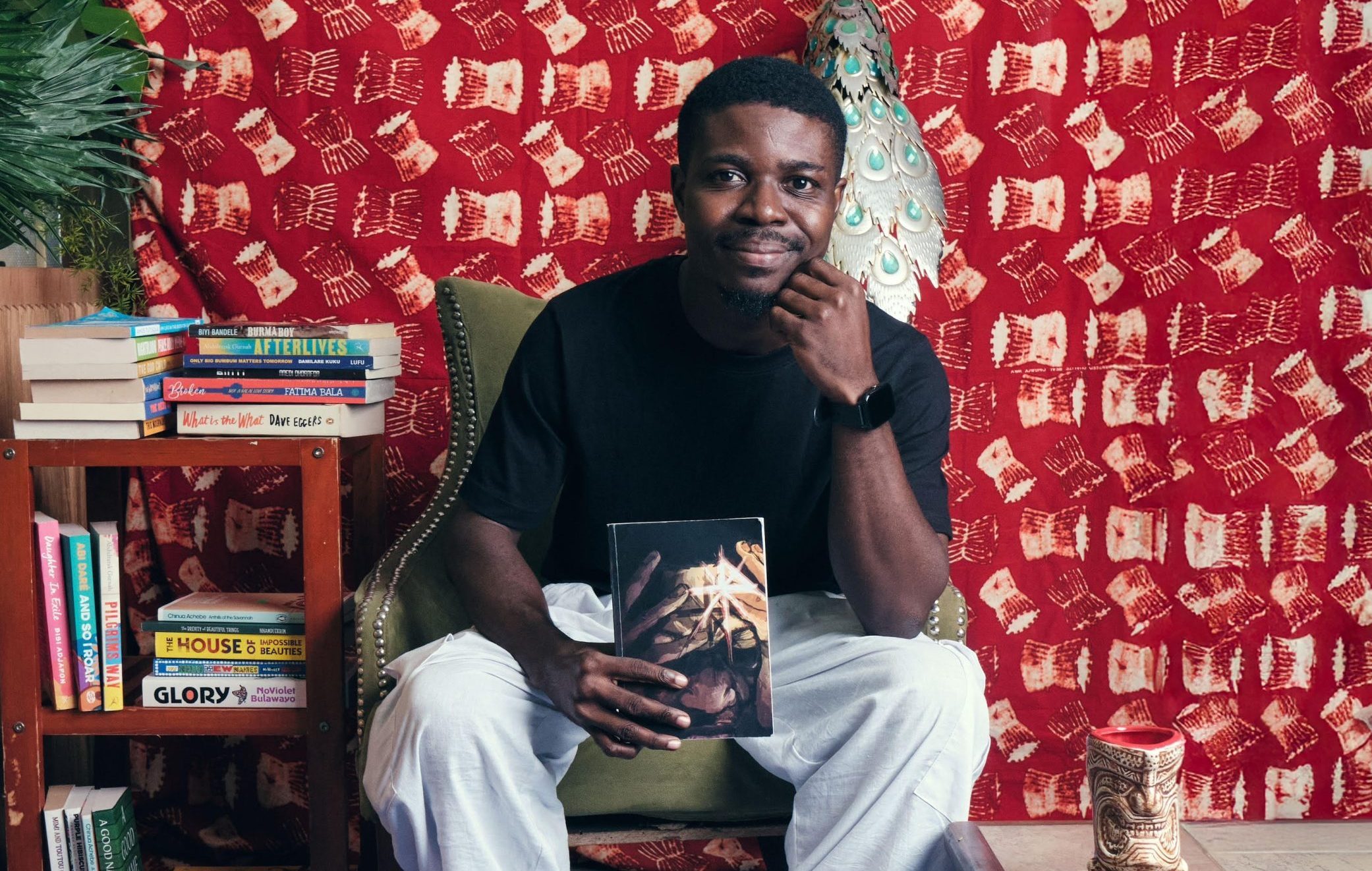 Chisom Umeh is a Nigerian fiction writer and poet. His short stories have been featured in Omenana, Apex, Clarkesworld, Year’s Best African Speculative Fiction 2023, African Ghosts anthology, Isele, Mythaxis, Scifi Shorts, and elsewhere. His short story, ‘Ancestors’ Gift’, won the 2024 Tractor Beam short story contest. He was shortlisted for the Ink of Ages Fiction Prize hosted by World History Encyclopedia, was a finalist for the Seattle Worldcon Short Story Contest and is the winner of the 2025 Nommo Awards for Best African Speculative Fiction Short Story. He reviews books and movies for Vector Magazine and on his Substack in his spare time.